Compare stacked racks, primary grate space, controls and access without equating total area with cooking performance. This guide uses exact listing records, not hands-on tests. Seller specifications illustrate the questions to ask; they do not establish measured cooking performance.
Begin with the actual layout, not just the category name
A category label is a useful starting point, but the documented arrangement decides whether equipment suits your menu. The Navigator 3-Series vertical pellet smoker title states five-rack cooking space. The Navigator 850 pellet grill record reports total cooking surface and names a flame broiler. These are different models with different layouts; neither should inherit specifications from the other simply because both use pellets and share a brand.
Our grill shortlists keep vertical smokers separate from complete pellet grills. That is an intent distinction, not a claim that one format is always better. Start with the food and cookware you expect to load, how you want to access it, and the instructions governing the cooking configuration. The general buying guide provides a broader checklist for buyers still deciding which arrangement to investigate.
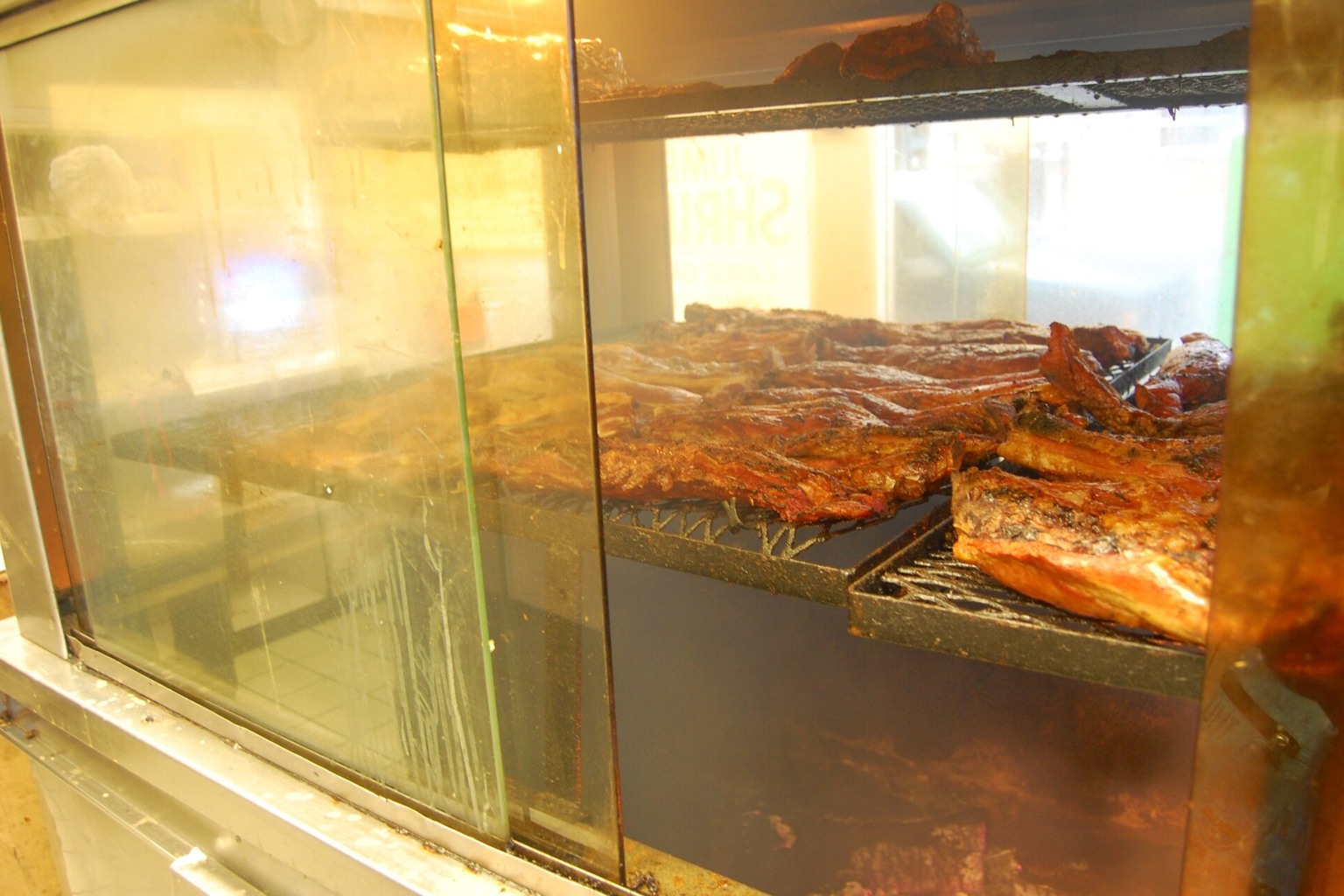
Compare individual surfaces as well as totals
The vertical Navigator record describes 1,118 square inches across five porcelain-coated steel racks. The Navigator 850 record describes 932 square inches of total cooking surface. Those totals are not dimensions, and we do not divide the vertical total by five to invent an equal rack size. Ask for the width, depth, spacing and usable height of the actual surfaces, including how the arrangement changes when racks are removed.
The Cuisinart portable record offers another useful example: its total is explicitly split into main-rack and warming-rack areas. Our area guide explains why definitions must match before comparing numbers. A tall item may require more vertical clearance, while a long pan may need uninterrupted width. Neither need can be resolved from the largest square-inch headline alone, and neither is encoded in our editorial score.
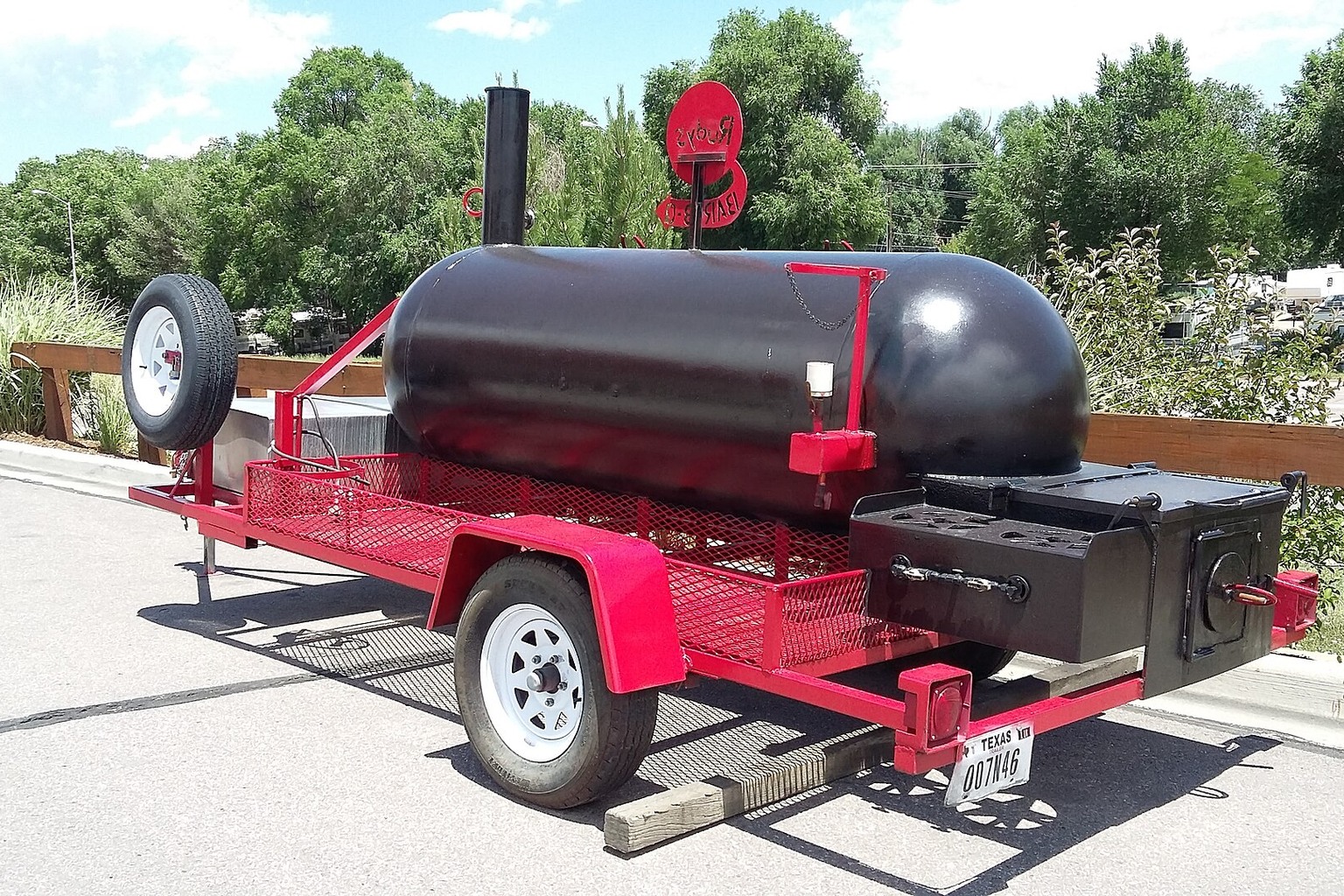
Read control and temperature statements in context
The Navigator 3-Series title states a 130°F to 420°F temperature range. The Navigator 850 title states 180°F to 500°F and names a flame broiler. Those are exact-listing statements about distinct configurations, not independent measurements or a universal rule for their categories. Check each manual for permitted cooking methods and the meaning of any direct-heat feature before deciding that a higher number suits your intended result.
Our temperature guide separates setpoints, chamber readings and food probes. It also explains why a controller name does not establish accuracy or heat uniformity. We have not cooked on these appliances, compared smoke flavor or timed heat recovery. Avoid turning a broad word such as versatile into proof that both layouts perform every cooking task equally well.
Compare fuel handling and maintenance access
The vertical Navigator record states a 50-pound hopper and rear-access grease drawer. The Navigator 850 record states a 30-pound hopper and an easy-access grease tray. Keep these claims tied to the exact products. A larger hopper does not establish longer unattended operation without relevant consumption evidence, and the word easy does not measure the effort required in your own outdoor layout.
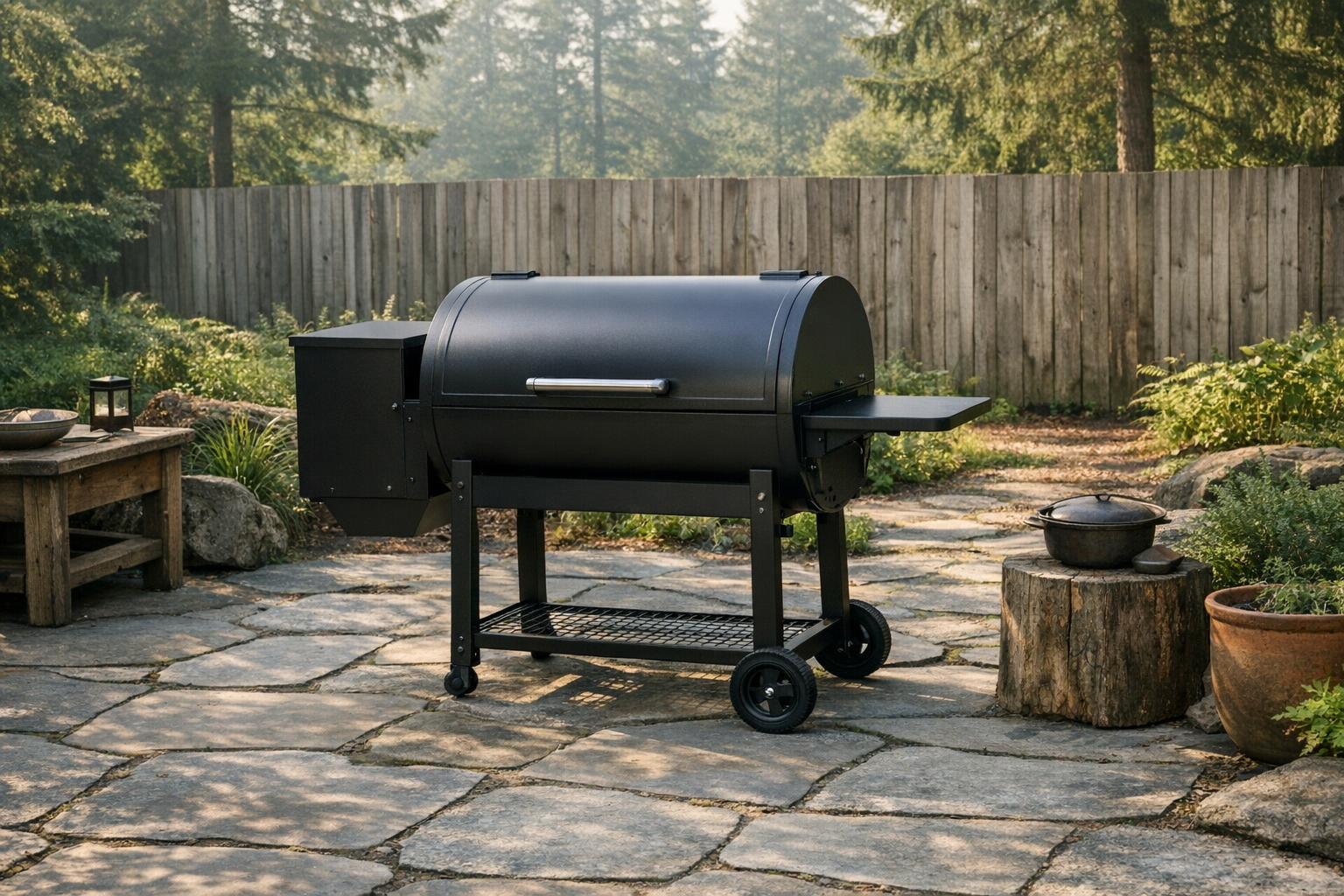
Check where the appliance can operate under the manual, how its doors or lid open, and how much access the prescribed cleaning routine requires. Our maintenance checklist treats those as purchasing questions rather than inventing a shared service procedure. The hopper guide covers loading and storage evidence. Do not use a conceptual editorial image as a clearance drawing or assume that a cabinet shape makes enclosed operation acceptable.
Build two evidence-based candidate rows
List the exact model, primary surface dimensions, additional racks, usable heights, documented temperature range, included probes and maintenance access for each candidate. If a required measurement is absent, seek a manufacturer source before deciding. Keep included parts separate from optional extras: the vertical Navigator listing describes three probe ports and one included probe, while the Navigator 850 record states two included probes. Similar feature labels can conceal different supplied equipment.
Use our vertical-smoker collection to research that format and the grill comparison for qualified grill candidates. These pages answer different questions and should not be treated as one interchangeable ranked list. The published method explains the limits of review-based scoring. Choose only after the layout and operating instructions fit your needs; a higher total area or a stronger review average cannot repair a documented mismatch.
Think about reaching the food as well as fitting it. Ask whether the documented rack arrangement leaves room for the cookware and tools you intend to use, and verify how the door or lid opens in your allowed outdoor space. Do not infer those dimensions from a staged image. An unresolved access question is a reason to seek better documentation, not a reason to invent a favorable answer.
Sources and further reading
- Pit Boss Navigator 3-Series WiFi & Bluetooth Wood Pellet Vertical Smoker with LCD Digital Controller, 1,118-Sq. In. 5-Rack Cooking Space, 130°F to 420°F Temp Range, Meat Probe, 50 lb. Pellet Hopper
- Pit Boss 850 Navigator Series WiFi & Bluetooth Wood Pellet Grill & Smoker, Flame Broiler and LCD Digital Controller, 932-Sq. In. Cook Space, 180°F to 500°F Temp Range, Meat Probe, 30 lb. Hopper
- Cuisinart 8-in-1 Portable Wood Pellet Grill and Smoker, Compact for RV, Tailgates, Camping, and Backyard Cooking, Smoky Flavor, Versatile Meat Smoker