Understand hopper specifications, clean-out features and storage claims without inventing runtime. This guide uses exact listing records, not hands-on tests. Seller specifications illustrate the questions to ask; they do not establish measured cooking performance.
Read the capacity as a fuel quantity
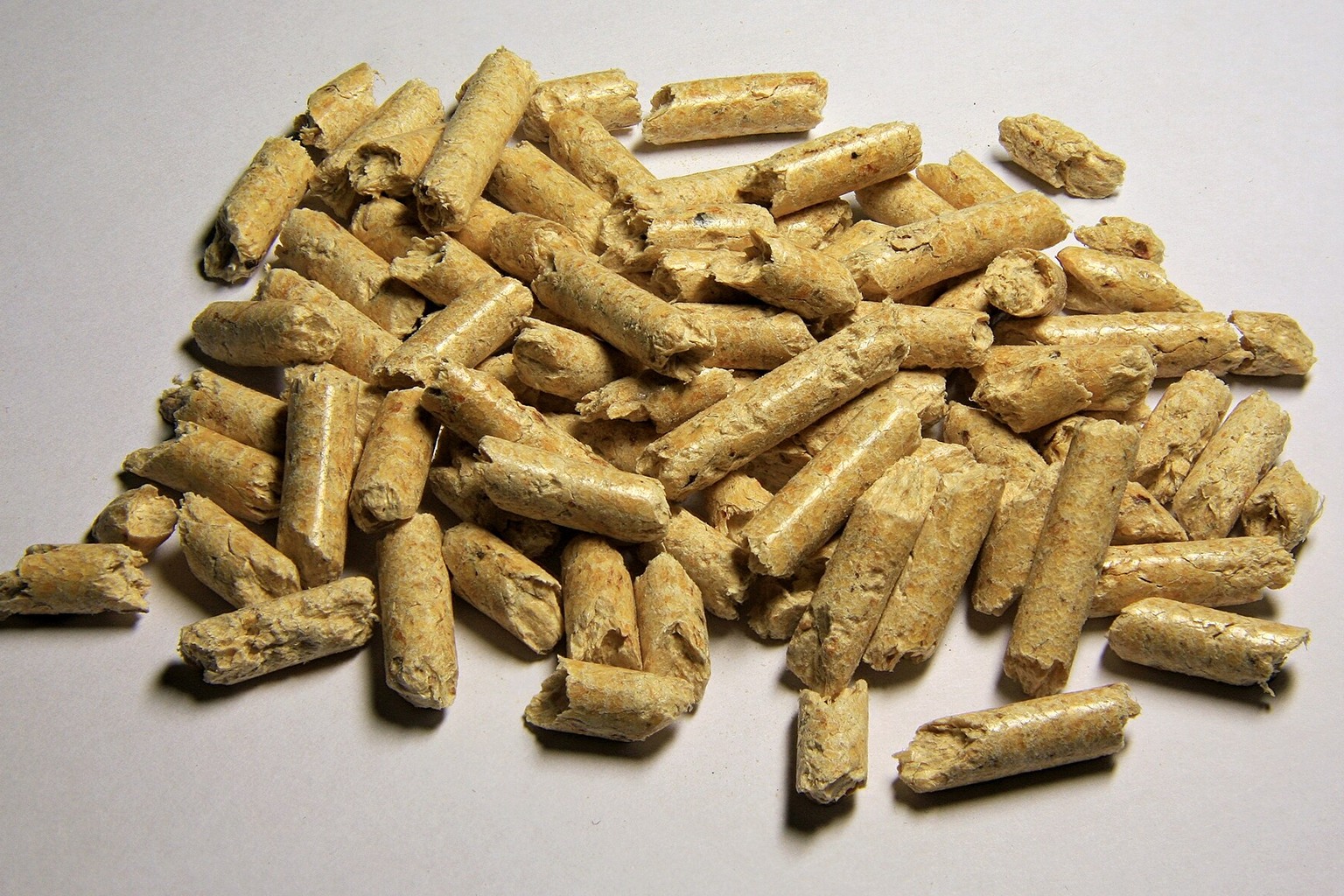
A hopper capacity is a stated quantity of fuel the appliance can hold, not a duration. The Pro 22 listing describes an 18-pound hopper. The Pit Boss 850 Navigator record describes a 30-pound hopper, while the Navigator 3-Series vertical smoker title states 50 pounds. Those numbers refer to different equipment and should remain attached to their exact sources. They do not establish that one appliance can cook for a particular number of hours or for a fixed multiple of another's runtime.
A larger documented capacity may be relevant to your planning, but it does not answer the full fuel-management question. Ask how the manufacturer specifies loading, checking fuel, shutdown and removal. Our buying guide places hopper size alongside cooking layout and maintenance access, rather than treating the largest hopper as an automatic winner.
Do not convert weight into an unsupported runtime
To calculate runtime responsibly, you would need a consumption basis relevant to the exact appliance and cooking program. A hopper weight alone supplies no such rate. We do not divide it by an invented pounds-per-hour figure or copy a rate from another model. A seller's phrase about long cooks remains a seller statement unless the relevant conditions and evidence are available. It is not a promise of unattended operation.
Set temperature, program and operating conditions can be questions to investigate when reading manufacturer consumption guidance. Do not turn those questions into a precise correction factor without evidence. The temperature-control guide explains why controller labels do not provide independent measurements. If runtime is central to a purchase, ask the manufacturer for the conditions behind its claim and retain the answer with the exact model identification.
Inspect how the hopper is used and emptied
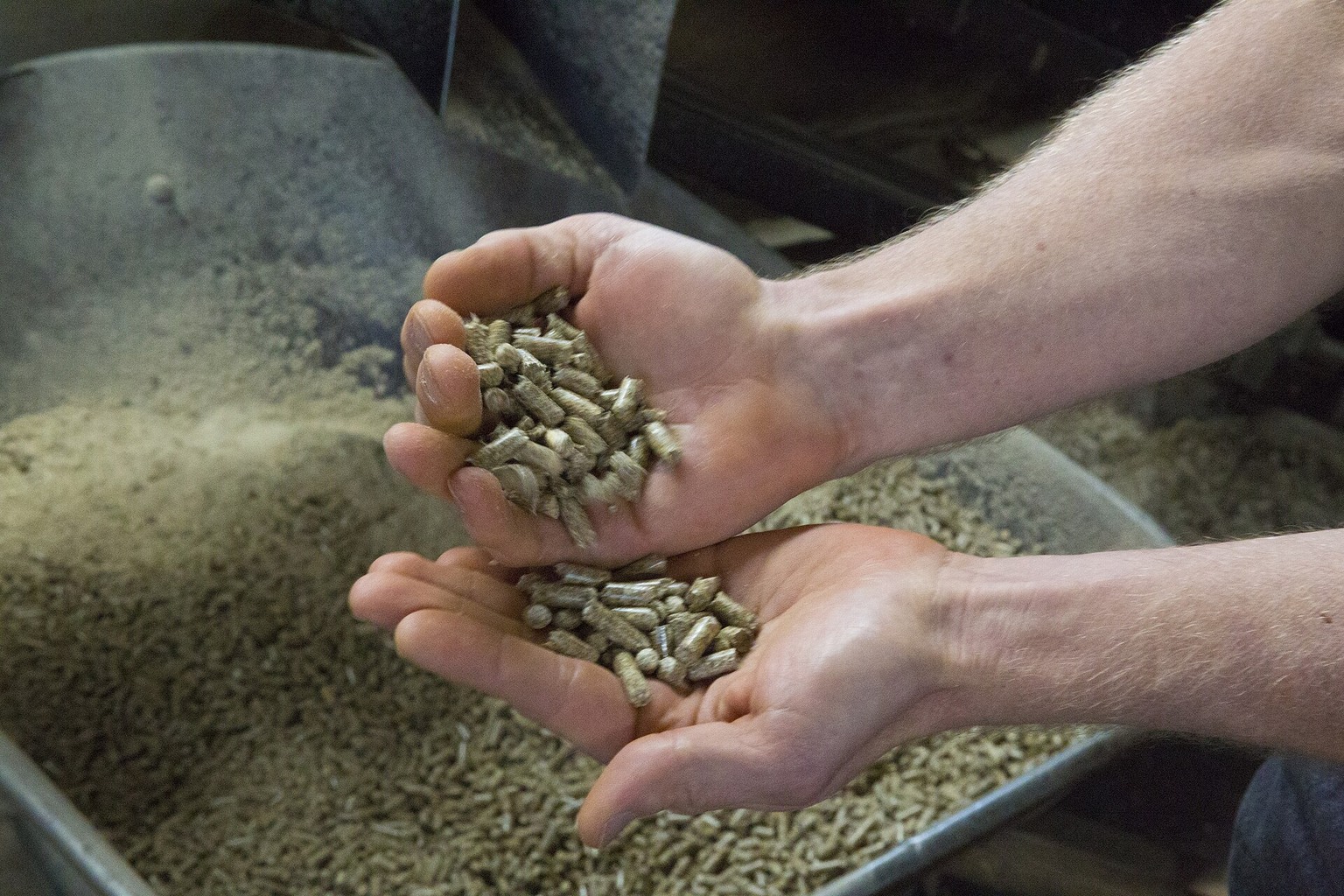
Capacity is only one part of the interface. The Pro 22 record names a clean-out door, and the Navigator 850 record names a viewing window. These are useful documented features to investigate, but a feature name alone does not describe the complete emptying or cleaning procedure. Look in the exact manual for safe access, when the operation is permitted and any restrictions involving hot components or electrical power.
Consider where a container can be placed during the specified emptying procedure, whether the opening is accessible in your outdoor setup and how you will avoid confusing stored fuel types. These are practical planning questions, not instructions to modify the hopper. Our maintenance checklist explains how to evaluate access without dismantling equipment or inventing a universal servicing schedule. Never bypass a guard or use a tool in a moving fuel-feed mechanism.
Keep storage-container claims separate from grill claims
The retained Traeger BAC637 storage-bin record states a 22-pound capacity, a locking airtight lid, a stackable design and flavor labels. That is a separate accessory, not an enlarged grill hopper. The record also describes fitting a bag of Traeger pellets, but bags have their own stated weights; do not assume every bag on the market matches the container. Confirm the selected product and size before purchase.
The listing's dry-storage language is a manufacturer claim, not the result of our moisture or weather testing. Follow the fuel supplier's and appliance manufacturer's storage instructions, and do not assume a hopper or a bag left outdoors is equivalent to a suitable storage container. The accessory guide covers the distinction between a useful category and an exact compatible item. A container photo does not establish outdoor exposure limits or a safe stacking arrangement.
Make fuel handling part of the ownership decision
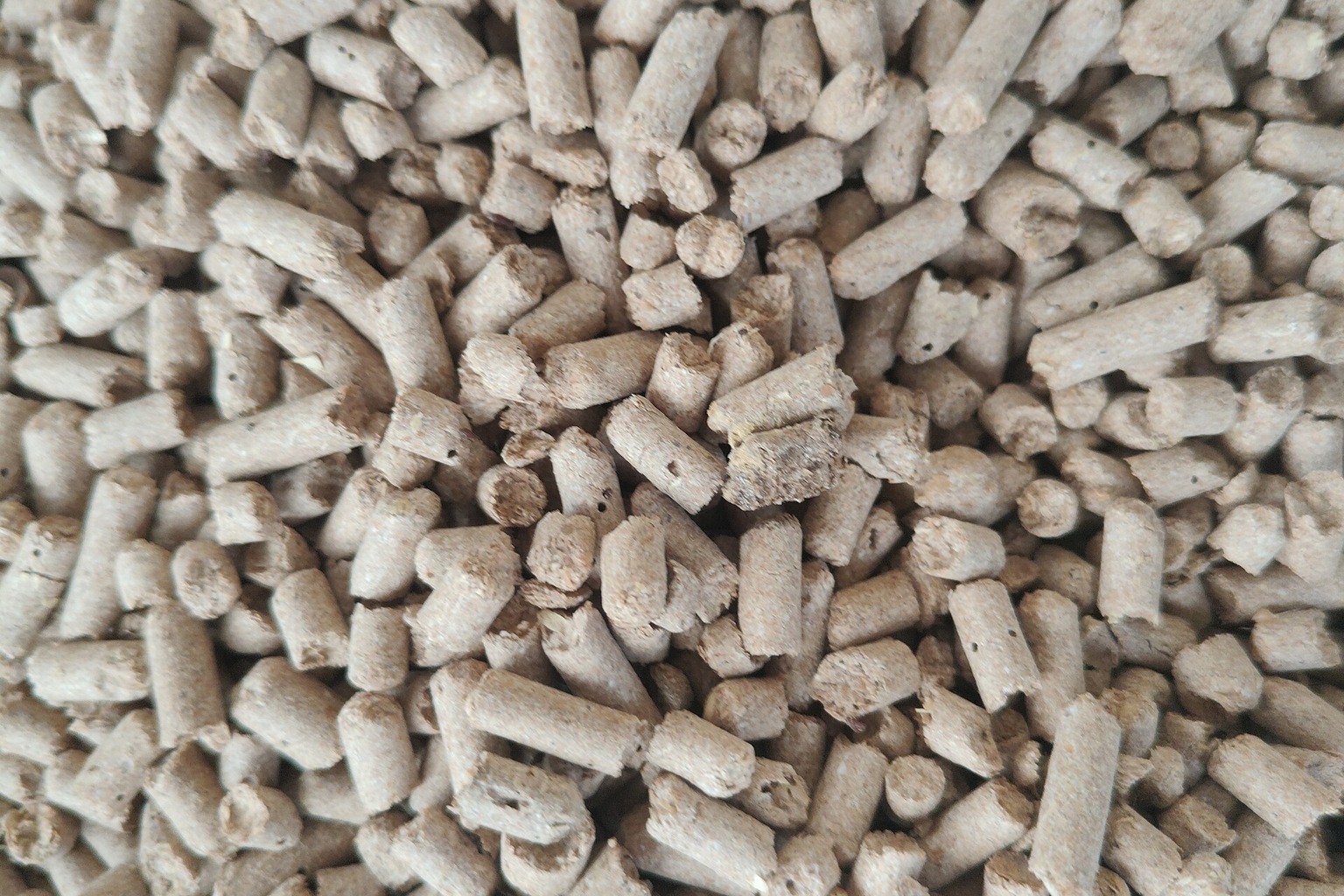
Write a small workflow before buying: where approved cooking fuel is stored, how it reaches the appliance, how levels are checked during use, and what the manual says to do afterward. Include the space and handling involved rather than comparing only the number in the hopper headline. Keep fuel recommendations tied to the exact manual; do not substitute heating fuel or an unspecified pellet merely because the shape looks similar.
Our review-backed grill shortlist does not reward hopper size as if it were measured endurance. The editorial formula is published in the methodology, and missing specifications remain unknown. Confirm the live listing, included equipment and manual before ordering. An appliance with a smaller documented hopper may still match your routine, while a larger one can leave important questions about loading, access and storage unresolved.
Sources and further reading
- Traeger Pro 22 Wood Pellet Grill & Smoker, 572 Sq In
- Pit Boss 850 Navigator Series WiFi & Bluetooth Wood Pellet Grill & Smoker, Flame Broiler and LCD Digital Controller, 932-Sq. In. Cook Space, 180°F to 500°F Temp Range, Meat Probe, 30 lb. Hopper
- Pit Boss Navigator 3-Series WiFi & Bluetooth Wood Pellet Vertical Smoker with LCD Digital Controller, 1,118-Sq. In. 5-Rack Cooking Space, 130°F to 420°F Temp Range, Meat Probe, 50 lb. Pellet Hopper
- Traeger Grills BAC637 Stay Dry Pellet Storage Bin, 22lb, Locking Lid